Interior Design London: 10 Planning Permission Essentials for Luxury Home Renovations

At our Interior Design London studio, we understand that creating a truly exceptional home requires more than an impeccable eye for detail – it demands a clear understanding of the planning process and the confidence to navigate it with precision. As a high-end interior design practice working across some of London’s most prestigious addresses, from Kensington and Chelsea to Belgravia, we are fortunate to have a dedicated, in-house architect who manages planning permissions and building regulations on behalf of our clients every day.

Whether you are embarking on a full-scale renovation of a Georgian townhouse, reconfiguring the layout of a lateral apartment, or extending a listed property, understanding how the planning system works is essential to protecting both your investment and your timeline.

Below, we share ten key insights into planning permission, drawn from our experience delivering interior design projects across London and Surrey.

  1. Accept That the Process Can Be Unpredictable

Even for the most experienced interior designers, the planning system can behave in unexpected ways. Applications that appear entirely reasonable may be refused, while more ambitious schemes can occasionally progress without issue.

Our in-house architect’s role is to anticipate these nuances and guide each project accordingly, ensuring we remain adaptable without ever losing sight of the overall vision. When working on projects across London, whether in Belgravia, Chelsea or Kensington, we always allow for contingency within the programme. As the saying goes, there is nothing so expensive as being in a rush.

  1. Precedent Is Less Powerful Than You May Think

A question we are often asked is: “Our neighbours have already done this — surely we can too?” In reality, precedent carries far less weight than many assume. Planning policy evolves continually, and what may have been permitted even a few years ago may no longer be considered appropriate. Each application must be assessed on its own merits, and our approach is always grounded in current policy rather than historical comparison.

  1. Local Policy Is the Foundation of Every Application

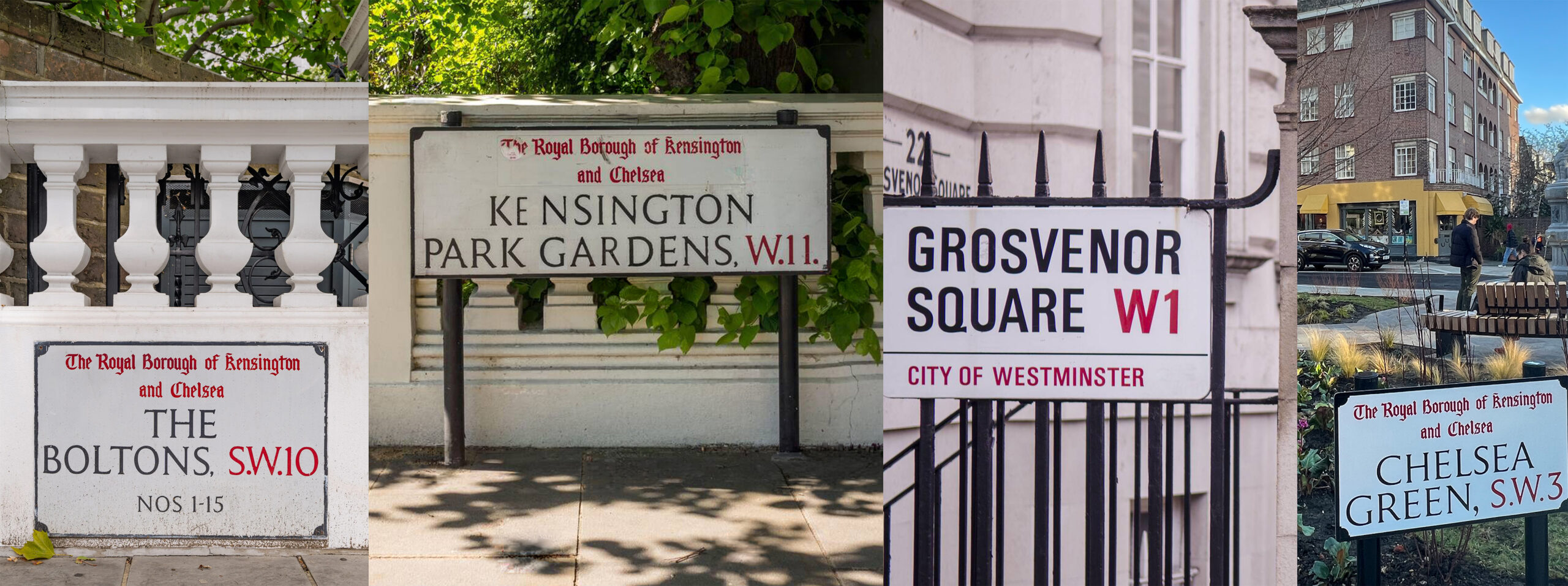
Every London borough operates within its own detailed planning framework, and these policies ultimately determine how an application is assessed. For clients undertaking interior design in Kensington, Chelsea or Belgravia, understanding the expectations of boroughs such as the Royal Borough of Kensington & Chelsea or Westminster is essential.

Our architect carefully interprets these policies at the outset, ensuring that each proposal is both ambitious and appropriately aligned with local guidance.

  1. Pre-Application Advice Can Be Invaluable

Before submitting a formal application, it is often possible to seek pre-application advice from the local authority. While this service now typically carries a fee, it can provide valuable clarity at an early stage. For high-end residential projects, involving high end interior design, where both the level of investment and the expectations are considerable- this early dialogue can help identify potential concerns before they become obstacles.

  1. Submit a Complete, Well-Prepared Application

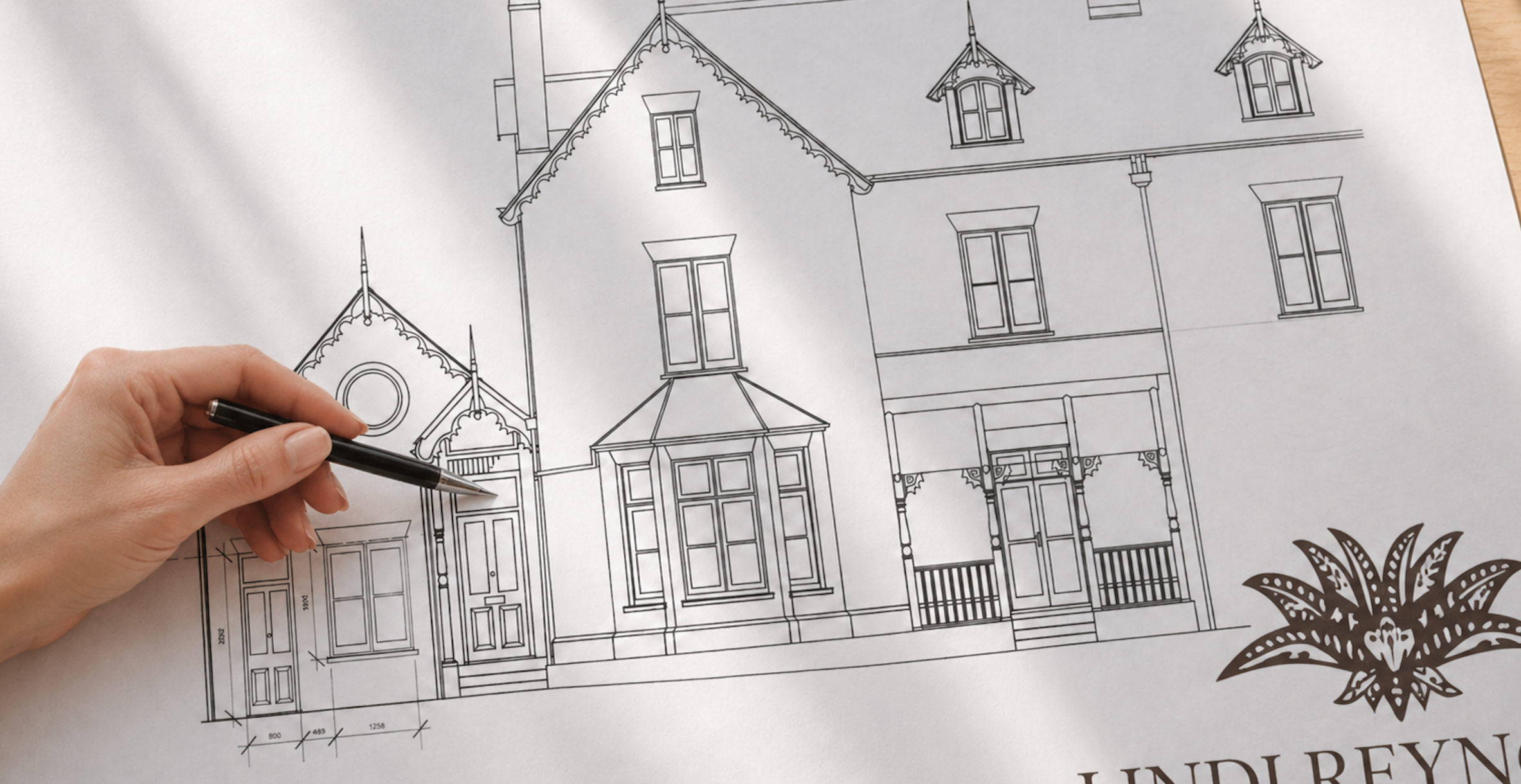
Incomplete applications are a common cause of delay. Planners will not validate a submission unless it contains all required documentation, existing and proposed drawings, a location plan, relevant surveys, and any technical studies such as bat surveys or parking assessments where applicable.

Our interior design studio London ensures every application prepared by our in-house architect is meticulous in its presentation – a standard of thoroughness that reflects our broader approach to luxury interiors and high end interior design.

  1. Be Straightforward — Tactical Games Rarely Work

Some applicants attempt to ‘over-apply’ — submitting something larger than desired in the hope of negotiating down — or try to slip through modest applications intending to build something more significant. In practice, neither strategy tends to work, often causing delays and, in the worst cases, enforcement action.

Our approach, whether working as interior designers in London on a modest refurbishment or delivering a full-scale luxury interior design project, is always to apply for what our clients genuinely want and what can be clearly justified within policy.

  1. Planning Is Governed by Policy, Not Personal Judgement

It is natural to feel frustrated when a scheme is refused, but it is important to understand that planning officers are bound by policy. Even when an officer personally recognises a design as entirely appropriate, they may have no choice but to refuse it if it conflicts with published guidance.

For clients working with our interior designers London, understanding this distinction removes a great deal of frustration. Where genuine unreasonable interpretations of policy arise, the appeals process exists as a recourse — but it is always our aim to get the right result first time.

  1. Communicate with Neighbours — But Manage Expectations

We always encourage clients to inform neighbours of their intentions ahead of submitting an application, both as a courtesy and to maintain good relationships. However, it is important to recognise that planning decisions are based on policy rather than neighbour opinion.

This is particularly relevant in areas such as Chelsea, Kensington and Belgravia, where sensitivities can be heightened, but outcomes remain policy led.

  1. A Thoughtful Design Statement Can Strengthen Your Application

Submitting a concise, well-argued design statement alongside your drawings can make a meaningful difference, particularly where a scheme does not align precisely with standard policy. A good design statement explains the design rationale, acknowledges relevant policies, and makes the case for why the specific characteristics of the site and its context justify the approach taken.

Our architect prepares these statements as a matter of course for projects where clarity of intent can influence the outcome — an extension of the careful, considered approach that defines our interior design studio London.

  1. Conservation Areas and Listed Buildings Are Not a Dead End

A significant proportion of the properties we work on as interior designers London sit within conservation areas or carry listed building status. Many clients assume this places their ambitions entirely out of reach — but this is rarely the case.

Our in-house architect has extensive experience securing approvals in precisely these circumstances. Success in sensitive heritage contexts requires creativity, an understanding of what planning authorities in these areas will and will not accept, and a willingness to refine proposals in response to early feedback. The result is often a scheme that feels entirely in keeping with the character of its setting — which is, of course, exactly what we pride ourselves on.

Working with an Interior Design Studio London That Understands the Full Picture

The planning process is just one dimension of what we manage on behalf of our clients. As a full-service interior design studio London, we offer the rare combination of architectural expertise and luxury interior design under one roof — from initial planning strategy through to the finest finishing details.

If you are considering a project in London and would like to understand what is possible — whether in a conservation area townhouse in Chelsea, a lateral apartment in Kensington, or a grand period property in Belgravia — we would be delighted to discuss your vision.

We regularly work with clients across:

  • Kensington and Chelsea
  • Belgravia
  • Surrey locations including East Molesey, Cobham, Esher and Weybridge

Considering a Project?

If you are planning a renovation or exploring the potential of your home, we would be delighted to help you understand what is possible — and guide you through the process with clarity and confidence. Please contact us here.